When the Copay is the Crisis


How House Rx helped patients benefit from Medicare reform
Amy was recently diagnosed with cancer. She received a prescription for a life-extending medication. The treatment path is clear, but at the pharmacy she's told her out-of-pocket cost will be $2,000, due immediately.
As a result, the medication isn't filled; Amy simply can't afford it. In the U.S., too many patients are forced to choose between life-saving medication and everyday essentials like groceries. At House Rx, we've seen this scenario far too often.
In 2024, nearly 1 in 5 Medicare patients were unable to afford their prescriptions at the point of care. Even with insurance, the structure of Medicare Part D often left patients responsible for paying their soaring out-of-pocket expenses all at once, leading to unfilled prescriptions, delayed starts, and even abandoned treatment plans. At its core, these struggles stem from the design of Medicare Part D itself.
Medicare Part D left patients behind
For years, the structure of Medicare Part D created a financial dilemma for patients with serious illnesses. Known as the "donut hole," this coverage gap forced patients to pay thousands of dollars out-of-pocket before their catastrophic coverage began.
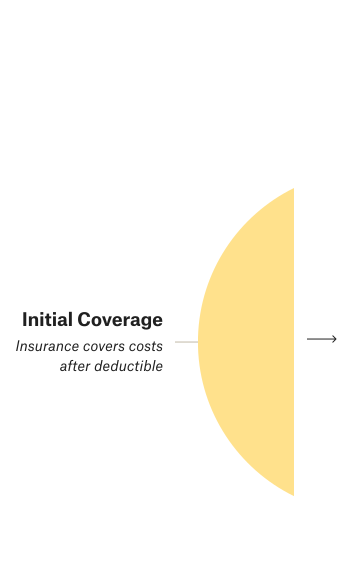

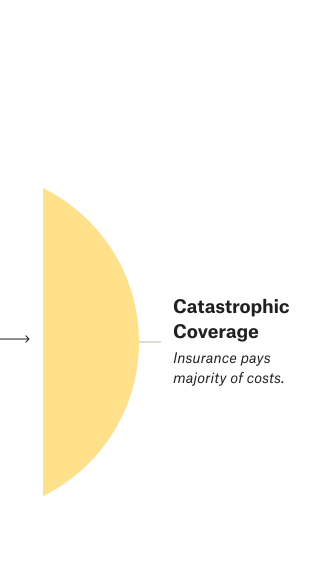
For many patients, especially those on fixed incomes, this cost was unmanageable.
The result was a quiet but devastating crisis. Patients were walking away from their prescriptions, many in the middle of active treatment for cancer or chronic autoimmune disease. Pharmacists and care teams had to mark prescriptions as "unable to afford," often scrambling to divert them into assistance programs or leaving them without treatment at all.
This was a crucial problem to solve, so we turned to the data. House Rx's pharmacy management platform captures detailed reasons for why a prescription can't be dispensed. We focused specifically on cases where patients reported that high out-of-pocket costs made their medications unaffordable.
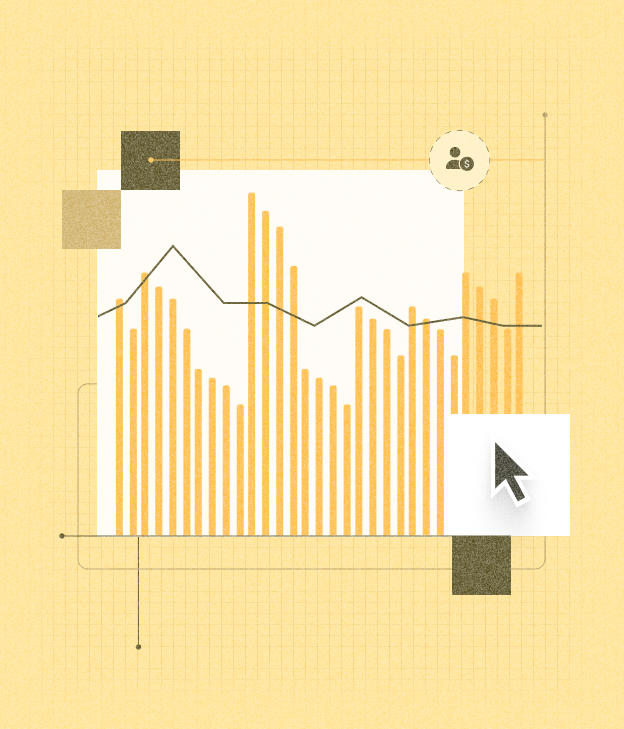
As of early 2024, nearly 1 in 5 Medicare patients could not afford their medications due to high copays.
This rate remained steady throughout 2024, while the number of patients who could afford their prescriptions continued along the same trajectory.
By November 2024, over 25% of patients were unable to afford medications.
For years, this gap persisted until a policy change in early 2025 offered a potential solution.
Lost in the fine print, relief was elusive.
In 2025, Medicare launched the Medicare Prescription Payment Plan (M3P), more commonly known as "copay smoothing." Rather than requiring patients to pay the full out-of-pocket cost up front, the program allowed patients to divide it into twelve monthly installments. No interest or penalties, just smaller, predictable monthly payments.
On paper, the program promised real relief for seniors facing thousands of dollars in up-front costs. In practice, however, the rollout has been confusing and inaccessible.
How House Rx stepped in
At House Rx, we already knew policy alone wouldn't be enough. Months before this launched, our teams began preparing.
We started by:
- Training our care coordinators and pharmacy staff on how the M3P works.
- Building technology to automatically flag copay smoothing eligibility in our pharmacy platform.
- Proactively counseling patients on enrollment, expectations, and how the policy could make treatment affordable.
The results of our efforts were immediate and dramatic.
As of early 2024, nearly 1 in 5 Medicare patients could not afford their medications due to high copays. This rate remained steady throughout 2024, and by November 2024 over 25% of patients were unable to afford medications. For years, this gap persisted until a policy change in early 2025 offered a potential solution.
Lost in the fine print, relief was elusive.
In 2025, Medicare launched the Medicare Prescription Payment Plan (M3P), more commonly known as "copay smoothing." Rather than requiring patients to pay the full out-of-pocket cost up front, the program allowed patients to divide it into twelve monthly installments. No interest or penalties, just smaller, predictable monthly payments.
On paper, the program promised real relief for seniors facing thousands of dollars in up-front costs. In practice, however, the rollout has been confusing and inaccessible.
How House Rx stepped in
At House Rx, we already knew policy alone wouldn't be enough. Months before this launched, our teams began preparing. We started by training our care coordinators and pharmacy staff on how the M3P works, building technology to automatically flag copay smoothing eligibility in our pharmacy platform, and proactively counseling patients on enrollment, expectations, and how the policy could make treatment affordable. The results of our efforts were immediate and dramatic.
View data table
| Date | Patients | % OOP too high |
|---|---|---|
| 2023-12-31 | 97 | 21.65% |
| 2024-01-07 | 176 | 21.02% |
| 2024-01-14 | 145 | 20.00% |
| 2024-01-21 | 154 | 11.69% |
| 2024-01-28 | 173 | 10.40% |
| 2024-02-04 | 155 | 18.06% |
| 2024-02-11 | 153 | 18.95% |
| 2024-02-18 | 144 | 18.75% |
| 2024-02-25 | 155 | 18.06% |
| 2024-03-03 | 143 | 14.69% |
| 2024-03-10 | 146 | 21.23% |
| 2024-03-17 | 143 | 19.58% |
| 2024-03-24 | 143 | 13.99% |
| 2024-03-31 | 138 | 15.94% |
| 2024-04-07 | 163 | 19.02% |
| 2024-04-14 | 187 | 16.04% |
| 2024-04-21 | 185 | 17.84% |
| 2024-04-28 | 157 | 16.56% |
| 2024-05-05 | 154 | 16.88% |
| 2024-05-12 | 135 | 18.52% |
| 2024-05-19 | 150 | 21.33% |
| 2024-05-26 | 89 | 19.10% |
| 2024-06-02 | 149 | 16.78% |
| 2024-06-09 | 153 | 13.07% |
| 2024-06-16 | 132 | 17.42% |
| 2024-06-23 | 146 | 13.70% |
| 2024-06-30 | 95 | 25.26% |
| 2024-07-07 | 101 | 22.77% |
| 2024-07-14 | 156 | 14.10% |
| 2024-07-21 | 170 | 7.65% |
| 2024-07-28 | 169 | 11.24% |
| 2024-08-04 | 154 | 8.44% |
| 2024-08-11 | 145 | 18.62% |
| 2024-08-18 | 160 | 13.75% |
| 2024-08-25 | 147 | 19.73% |
| 2024-09-01 | 126 | 12.70% |
| 2024-09-08 | 113 | 22.12% |
| 2024-09-15 | 141 | 13.48% |
| 2024-09-22 | 144 | 14.58% |
| 2024-09-29 | 104 | 14.42% |
| 2024-10-06 | 120 | 10.83% |
| 2024-10-13 | 145 | 11.03% |
| 2024-10-20 | 145 | 13.79% |
| 2024-10-27 | 148 | 15.54% |
| 2024-11-03 | 148 | 20.27% |
| 2024-11-10 | 166 | 30.12% |
| 2024-11-17 | 151 | 24.50% |
| 2024-11-24 | 107 | 24.30% |
| 2024-12-01 | 172 | 20.35% |
| 2024-12-08 | 178 | 18.54% |
| 2024-12-15 | 157 | 20.38% |
| 2024-12-22 | 107 | 17.76% |
| 2024-12-29 | 111 | 10.81% |
| 2025-01-05 | 205 | 7.32% |
| 2025-01-12 | 253 | 11.86% |
| 2025-01-19 | 300 | 12.00% |
| 2025-01-26 | 292 | 8.56% |
| 2025-02-02 | 239 | 6.69% |
| 2025-02-09 | 279 | 7.17% |
| 2025-02-16 | 260 | 8.85% |
| 2025-02-23 | 376 | 5.85% |
| 2025-03-02 | 350 | 8.00% |
| 2025-03-09 | 440 | 5.23% |
| 2025-03-16 | 414 | 4.35% |
| 2025-03-23 | 462 | 8.01% |
| 2025-03-30 | 403 | 8.44% |
| 2025-04-06 | 411 | 6.08% |
| 2025-04-13 | 298 | 4.70% |
| 2025-04-20 | 374 | 5.88% |
| 2025-04-27 | 402 | 4.73% |
| 2025-05-04 | 363 | 5.79% |
| 2025-05-11 | 355 | 8.17% |
| 2025-05-18 | 396 | 4.04% |
| 2025-05-25 | 300 | 4.67% |
| 2025-06-01 | 344 | 4.65% |
| 2025-06-08 | 392 | 4.34% |
| 2025-06-15 | 361 | 4.43% |
| 2025-06-22 | 371 | 5.66% |
This was the result of a policy shift buried deep in the Inflation Reduction Act and our team of pharmacy experts who knew how to help.
This shift meant that thousands more patients could start or resume treatment. For practices, it meant fewer care delays, fewer workarounds, and better continuity.
For us, the story of copay smoothing is an example of what happens when policy meets real-world support. Legislation alone can't ensure affordability because patients need help navigating what policy changes mean for them. Patients need teams who get it, technology that surfaces the right data at the right time, and the human touch that makes change possible.
The M3P offered a pathway, and House Rx built the bridge.